

Did you know that hearing begins to decline from the age of 30? On World Hearing Day on March 3, it is essential to remember that our hearing, which is fragile and cannot be renewed, deserves to be protected from an early age. As a specialist in hearing health, Audilab supports everyone in the prevention, screening, and maintenance of this sensory treasure.
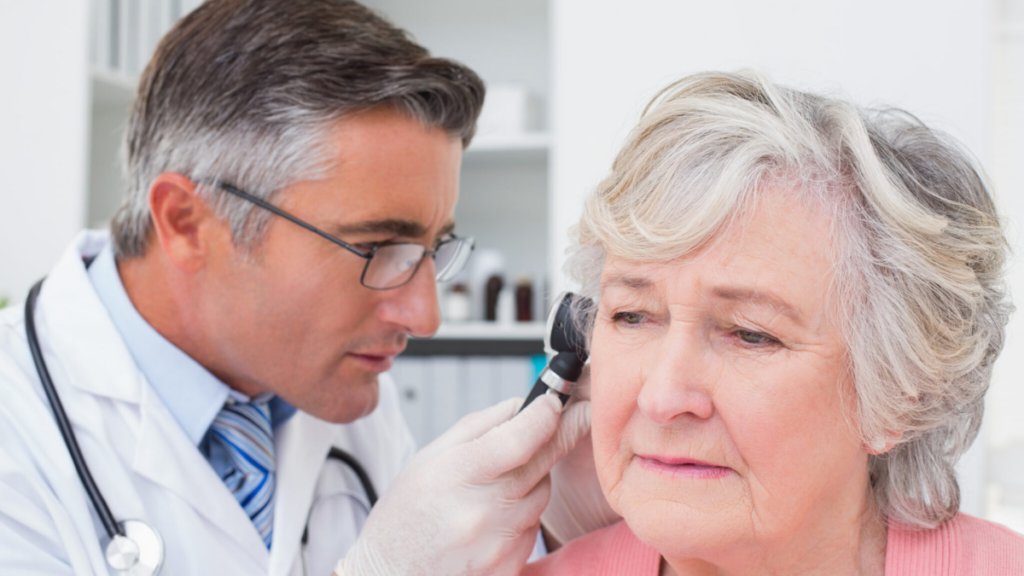
- Hearing ability begins to decline at age 30 and does not regenerate.
- Children and adolescents are increasingly exposed to loud noises, putting them at risk of tinnitus and hearing loss.
- Presbycusis generally appears between the ages of 50 and 60, often insidiously.
- Prevention, screening, and early intervention are essential to protect this sensory treasure.
Detecting Early Signs to Preserve Your Hearing
An alarming finding. According to projections from the World Health Organization (WHO), by 2050, nearly 2.5 billion people could experience varying degrees of hearing loss. This highlights the urgency of acting now to protect your hearing capital, in order to hear and understand speech automatically and effortlessly for as long as possible.
Individual, limited, and fragile, our hearing capital is both vulnerable to sound-related damage and the inevitable passage of time. “Biologically, this capital cannot be repaired,” reminds Professor Bruno Frachet, adding that the cells of the inner ear “do not regenerate.” Hearing aids, implants, and rehabilitation compensate for the loss… without restoring original hearing.
While the cochlea (the part containing the endings of the auditory nerve) is functional from birth and quickly reaches its final size, auditory decline begins silently from the age of 30. Between 50 and 60, age-related hearing loss sets in gradually. The signs are subtle:
- Difficulty following a conversation in noisy environments
- The impression that people are “whispering”
- The impression that people are speaking too fast
- Needing to ask people to repeat themselves regularly
- Needing to turn up the volume on the TV or radio
- A sensation of blocked ears or distorted sound perception
- Persistent hearing discomfort and tinnitus
These everyday signs can have significant social and cognitive consequences, ranging from isolation and fatigue to memory problems, and worse, depression.
Children and adolescents: growing exposure to noise
Younger generations are particularly vulnerable. Whether listening to music on a smartphone, playing video games with headphones at high volume, or attending loud concerts, children and adolescents are increasingly exposed to intense sounds, sometimes for several hours at a time.
Professor Bruno Frachet, ENT doctor and hearing specialist: “The inner ear is a true cathedral, structured in an extremely complex way. In humans, unlike birds or amphibians, it does not rebuild itself.”
This prolonged exposure is not harmless. It can progressively damage the cells of the inner ear and cause tinnitus or premature hearing loss. These effects are often invisible at first, which makes prevention all the more crucial.
Julie Bestel, hearing care professional at Audilab, emphasizes: “Preserving your hearing from a young age is always more effective than trying to repair it afterwards.” Noise education, raising awareness among families and schools, and adopting simple habits such as limiting volume and listening duration are essential measures to protect the hearing of future generations.
Prevention and hearing aids: acting early, without waiting for decline
Protecting your hearing on a daily basis relies on simple but essential actions:
- Wearing appropriate hearing protection: earplugs or noise-cancelling headphones during prolonged exposure
- Moving away from sound sources: at 2 metres, the perceived volume is divided by 4; at 3 metres, by 9
- Limiting prolonged exposure to noise as much as possible
- Avoiding the use of cotton swabs inside the ear canal
Since 2018, “hidden hearing loss” or poor comprehension in noisy environments despite normal test results, has been officially recognized as an indication for hearing aids. Modern hearing aids, incorporating AI and noise reduction algorithms, significantly improve comprehension in complex environments. They do not restore lost hearing but effectively compensate for losses and preserve cognitive and social comfort.
A hearing assessment, available at Audilab centres, allows you to precisely evaluate your hearing, detect risks, and adopt a personalized strategy. Prevention remains the key: acting early protects quality of life, cognitive comfort, and social interactions.
Published by the Editorial Staff on