On the occasion of the International Festival international SilverEco Bien-Vieillir, SilverEco is dedicating an episode of Paroles d’Experts to a strategic question: how are international innovations transforming ageing into a societal and economic opportunity? Growing older is a universal experience. Yet each country, each ecosystem, is developing its own responses to the unprecedented extension of life expectancy. Integrated health technologies, market structuring, strategic communication, European professional networks… this episode offers a true overview of the dynamics shaping the Silver Economy on a global scale.
expert discussions with the participation of:
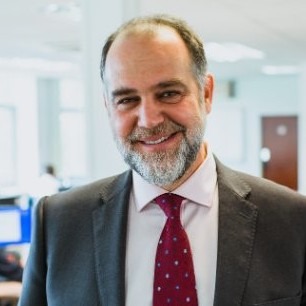
Jiří Horecký, President of the European Ageing Network (EAN)
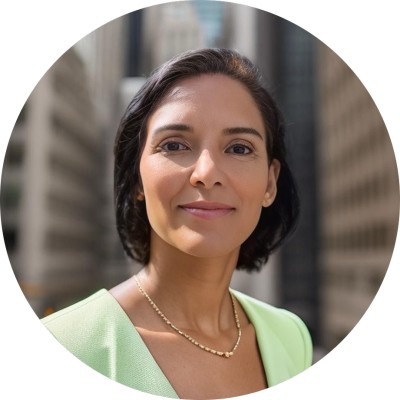
Montserrat Barceló Riera, Strategic Advisor Europe
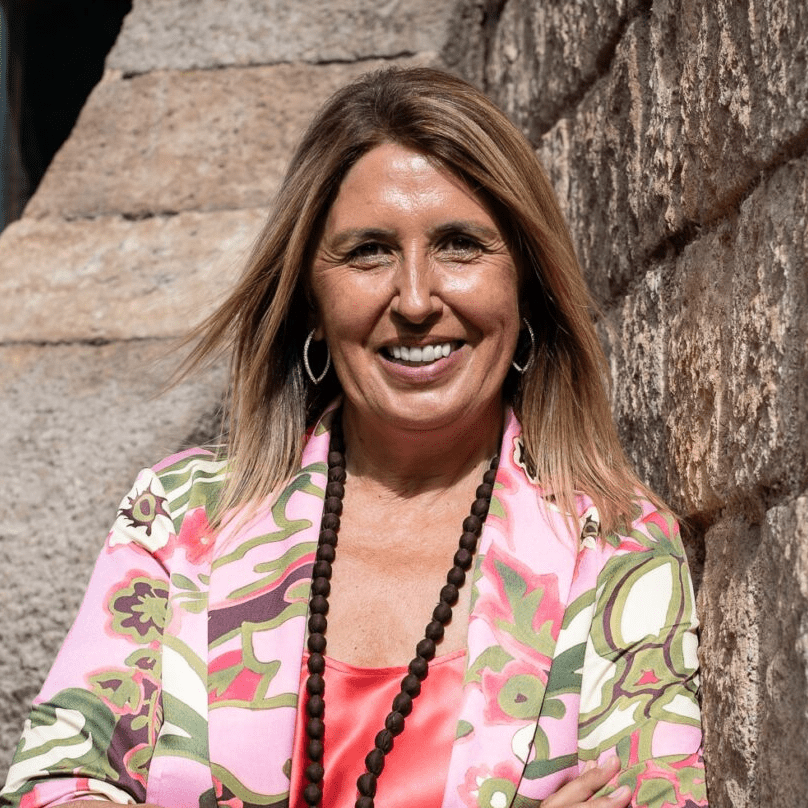
Patricia Puiggros, CEO of IKI Health
This episode, presented by Pedro Ros, founder of SilverEconomy.com, explores how ageing inspires varied and creative responses across the world. In an era of inevitable demographic ageing, innovation is more essential than ever to transform the time gained into quality of life. Our speakers review the landmark initiatives of the Silver Economy: integrated health technologies, strategic communication, market data and care solutions. All avenues for making ageing well a reality for everyone.
Breaking down preconceived ideas about ageing on a global scale
Innovation in the field of ageing begins with a shift in perspective. For Patricia Puiggros, CEO of IKI Health, this is not a “tech niche” for seniors, but a universal human-centered design approach. The majority of seniors already use the Internet and essential digital services. Among them: online banking, medical appointments, shopping, and social networks. The real question, therefore, is not age, but the relevance and ergonomics of the tools offered.
This perspective compels designers to imagine inclusive interfaces, accessible to all, and not merely simplified for seniors. By developing technologies tailored to the specific needs of those over 70, we are in fact creating innovations that subsequently benefit users aged 30 or 40. User experience thus becomes the true driver of innovation.
“Global longevity has increased by more than 25 years during my lifetime. The silver generation, those over 60, is growing three times faster than the global population. It is a demographic shift that is transforming many industries and creating a true Silver Economy.”
Pedro Ros, founder of SilverEconomy.com
Finally, the use of artificial intelligence makes it possible to personalize solutions. Virtual assistants such as Mary monitor the daily health of a person in the early stages of dementia, anticipating their needs and alerting professionals when necessary. Innovation, beyond technology, becomes a tool for prevention, well-being, and autonomy, reconciling health and humanity.
Reinventing care in the Silver Economy: social and human innovations
The human resources crisis in the elderly care sector calls for radical solutions. Jiří Horecký, President of the European Ageing Network, emphasizes that the shortage of staff in long-term care facilities is now more urgent than funding. Innovation is therefore not limited to technology: it includes social organization, the training of informal caregivers, and the design of adapted housing.
Initiatives such as I FEEL EL MÉTODO in Spain show that transforming practices can save lives. During the COVID-19 pandemic, co-founders of residences chose to remain on-site, reinventing residents’ daily lives and reducing staff turnover. The methodology promotes autonomy, active participation, and the dignity of older people, proving that social innovation can be as powerful as technological innovation.
“Innovation in age tech is not a niche, but truly the future of universal design.”
Patricia Puiggros, CEO of IKI Health
In this context, technology remains a complement, not a substitute. Devices such as “sit-and-shower chairs” or fall-monitoring systems improve safety and hygiene, while respecting residents’ privacy. Humanistic innovation thus combines prevention, comfort, and respect, transforming the way we care for older people.
Building ecosystems and removing funding barriers
For the Silver Economy to fully unfold, innovation hubs must be created and financial obstacles removed. Montserrat Barceló Riera, strategic advisor, explains how Barcelona transformed its city through the 1992 Olympic Games, then through the Barcelona Health Hub, catalyzing start-ups, universities, and investors around digital health. The goal: to generate an ecosystem capable of attracting international talent and investment, and of disseminating best practices worldwide.
“Hubs and clusters create ecosystems where innovation for ageing becomes tangible and global.”
Montserrat Barceló Riera, Strategic Advisor Europe
Funding nevertheless remains a major challenge, particularly for women entrepreneurs. Jessica Bussert, founder of Wave Therapeutics, describes the contrast between young male founders easily receiving millions and women carrying life-saving innovations for seniors, confronted with systemic obstacles. Removing these barriers becomes crucial so that life-saving technologies reach the market and improve the lives of seniors.
Finally, integrating digital solutions into health and care systems requires sustainable economic models. Who pays for innovative devices? Insurers, families, employers? The answer is not singular, and each innovation must demonstrate its clinical, social, and financial value to cross the threshold into the market. European and global hubs position themselves as the necessary catalysts to bring together innovation, funding, and concrete deployment.
We use cookies to ensure that we give you the best experience on our website. If you continue to use this site we will assume that you are happy with it.