Presented at the SilverEco International Festival – Ageing Well at the Palais des Festivals in Cannes, this episode of Expert Thoughts looks back at the legacy of the European AAL (Active & Assisted Living) programme. Launched in 2008 to improve the quality of life of older adults through technology and innovation, the programme supported more than 300 projects across 23 countries, mobilized thousands of stakeholders and generated over one billion euros in total funding.
“AAL Legacy: 14 Years of Innovation for Ageing Well” – Expert discussions with the participation of:
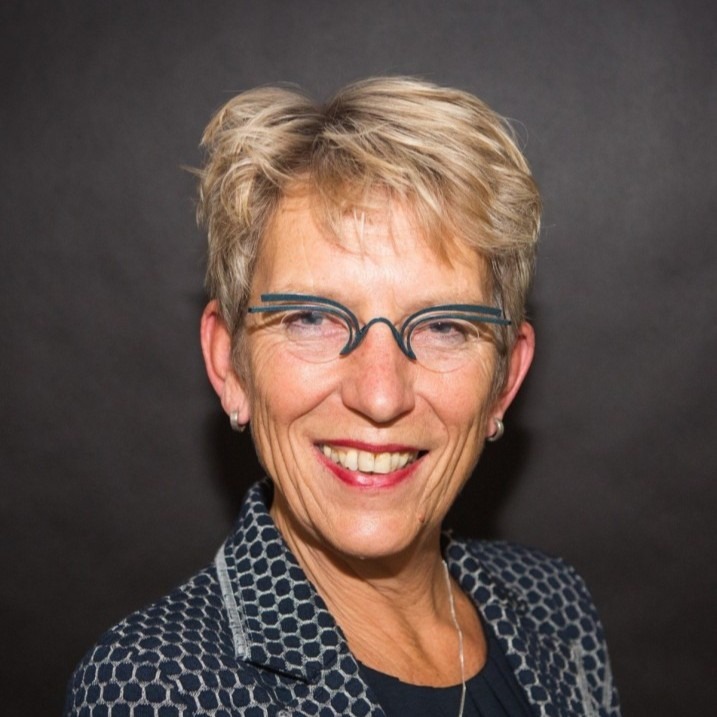
Geja LANGERVELD, Vice-President and Vice-Treasurer of the Executive Board of the AAL Programme
Dominique Repapis, Senior Programme Operations Officer at the AAL Programme
In this episode of Experts Thoughts, the leaders behind AAL’s retrospective Legacy Study analyze the lessons learned from fourteen years of experimentation. From technological innovation and user co-design to strategies for scaling solutions, the AAL programme’s experience offers a true laboratory for shaping the future of Europe’s Silver Economy.
AAL: Putting Older Adults at the Heart of Innovation
From its very beginning, the AAL programme made a structural choice: placing end users at the centre of projects. Any funded initiative had to include an organization representing users – older adults, caregivers or professionals – in order to avoid innovations designed solely by laboratories or companies.
This participatory approach led to the involvement of more than 60,000 older adults and 14,000 caregivers throughout the different phases of the projects: surveys, focus groups, pilot testing and long-term experimentation. Over the years, the methods evolved from occasional consultations to genuine co-design approaches, where users directly contribute to the design of the solutions.
“Over the whole period, more than 60,000 older adults participated in different stages of the projects, and over 14,000 caregivers were involved.”
Dominique Repapis, Senior Programme Operations Officer at the AAL Programme
The results show that this structured participation is one of the key success factors. Projects integrating regular feedback loops, real-world testing and continuous dialogue with users produced more relevant and sustainable solutions. Conversely, when these steps were neglected, even promising technologies struggled to move beyond the prototype stage.
From Isolated Technologies to Ecosystems of Solutions
The themes explored by AAL projects reflect the main challenges of ageing societies. Initiatives focused in particular on combating social isolation, supporting independent living, managing chronic diseases, preventing falls and supporting caregivers.
Over the course of the programme, a clear evolution emerged: the first solutions often relied on sensors or applications targeting a single specific problem. Gradually, projects moved toward more comprehensive approaches, combining multiple functions such as communication, health monitoring, home safety or cognitive assistance.
This transformation was made possible by improvements in technological standards and interoperability. The solutions developed are no longer isolated tools but modular ecosystems, capable of integrating different services according to users’ needs. Such an evolution is essential to address the complexity of ageing situations and to avoid the multiplication of interfaces and tools.
The Decisive Challenge: Turning Innovation into Concrete Solutions
One of the main objectives of the AAL programme was to foster the emergence of a true European industry for ageing-related technologies. To achieve this, the participation of at least one SME in each consortium was mandatory, ensuring a pathway toward market deployment.
“The three objectives were to improve the quality of life of older adults through digital solutions, support the sustainability of health and care systems, and foster the emergence of a European industry developing these solutions.”
Geja Langerveld, Vice-President and Vice-Treasurer of the Executive Board of the AAL Programme
This strategy gradually proved successful. While projects were initially mostly led by research organizations, SMEs eventually became the main coordinators, representing nearly two-thirds of the projects by the end of the programme. At the same time, support mechanisms were introduced: entrepreneurial coaching, business model workshops and assistance in finding investors.
However, the study also highlights a persistent challenge: many promising innovations stop at the end of the project due to the lack of a favourable ecosystem for deployment. Integration into public policies, the support of funders and adaptation to reimbursement systems remain crucial steps. In other words, innovation is not only about inventing technology—it also requires planning its adoption in the real world.
We use cookies to ensure that we give you the best experience on our website. If you continue to use this site we will assume that you are happy with it.