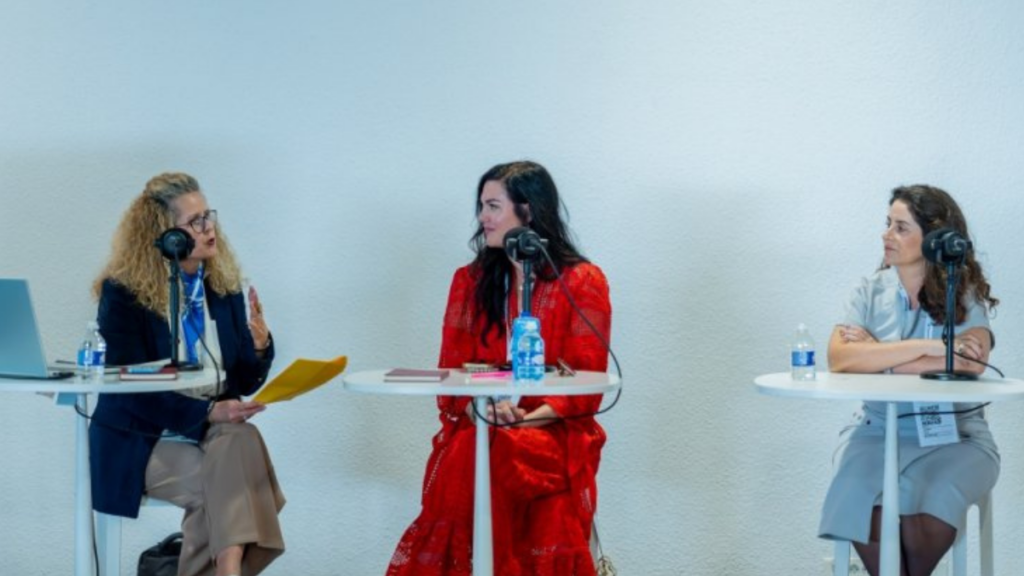
On the occasion of the SilverEco International “Bien-Vieillir” Festival at the Palais des Festivals in Cannes, SilverEco dedicates an episode of Paroles d’Experts to a key issue: the role of hygiene and skin care in aging well and in preserving the dignity of older adults. Bridging prevention, well-being, and both professional and family care practices, this episode sheds light on how simple everyday gestures can transform the experience of aging, support autonomy, and strengthen the relationship between caregivers and those they support. The expertise of Farmoderm and the insights of committed stakeholders demonstrate that the skin is more than just an organ: it is a connection, a point of reference, and a powerful marker of respect and care.
“Caring Every Day, Preserving Dignity: The Importance of Hygiene in Aging Well” – Expert discussion featuring:
Nicole WILL – Founder of willGather
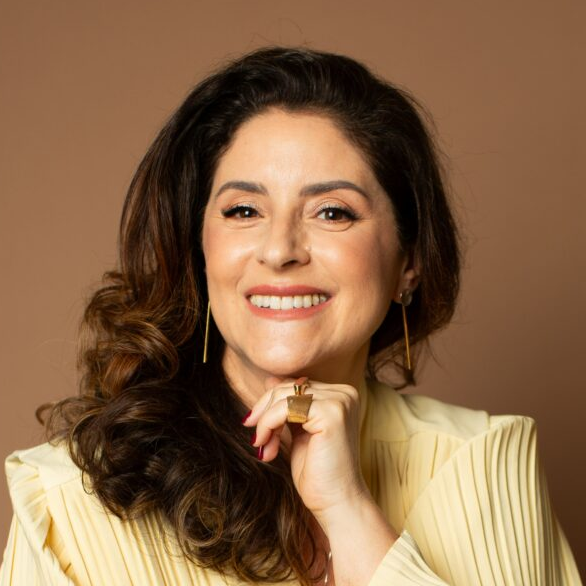
Sara LUALDI – Marketing Director at Farmoderm
Candice POMI – Psychologist, Gerontologist, Researcher, Founder of Beyond Age
Behind every act of care lies far more than hygiene: there is dignity. For over 30 years, Farmoderm has made skin care a true act of respect and kindness toward older adults. This episode shows how simple everyday gestures—cleansing, moisturizing, soothing fragile skin—can relieve pain, prevent discomfort, and restore confidence for seniors, whether at home or in care facilities.
Built on a scientific approach and decades of field experience, Farmoderm demonstrates that caring for the skin contributes not only to physical well-being but also to emotional reconnection and self-esteem, transforming routine care into a moment of renewed confidence.
Care, Hygiene and Dignity: Skin as a Barometer of Aging Well
Skin, often seen as just an organ, is in fact a key indicator of comfort and health. With age, it becomes thinner, more fragile, and more vulnerable to irritation and external aggressions. As Sara Lualdi reminds us, “everyone deserves to feel good in their own skin, regardless of age.” An appropriate routine not only prevents redness and infections, but also helps maintain confidence and overall well-being in older adults.
“Understanding the specific needs of our loved ones, creating adapted routines, and respecting their pace helps preserve dignity and autonomy.”
Nicole Will, Founder of willGather
Caregivers—whether professional or family members—play a central role. They learn to observe, protect, and hydrate the skin on a daily basis. Care gestures go beyond simple cleansing: they become markers of respect, consideration, and dignity. Prevention begins with simple yet adapted habits: gentle drying, non-aggressive products, and protection of sensitive areas, particularly in cases of incontinence.
Drawing on protocols validated by decades of experience, Farmoderm places strong emphasis on caregiver education. The goal is twofold: to limit medical complications and to strengthen the autonomy and personal value of the person receiving care. Prevention thus becomes a tool for lasting dignity, transforming a routine into comprehensive care.
REPLAY: “Caring Every Day, Preserving Dignity: The Importance of Hygiene in Aging Well”
Pain and Comfort: The Impact of Everyday Gestures
Pain on aging skin is not always visible, but it is very real. It can begin with the first signs of irritation or superficial lesions and quickly become intense if not anticipated. Sara Lualdi emphasizes: “A proper hygiene routine to prevent these lesions also helps prevent pain.” Prevention is not limited to skin health; it is a concrete way to reduce discomfort and improve quality of life.
“A proper hygiene routine to prevent these lesions also helps prevent pain.”
Sara Lualdi, Marketing Director at Farmoderm
Every gesture matters. Proper drying, daily hydration, and the use of suitable barrier creams reduce friction and external aggressions, protecting the skin while avoiding more complex medical interventions. These simple actions lower the risk of complications and make everyday life more comfortable for older adults.
Attention to pain also transforms the caregiver’s experience. The role shifts from a purely technical task to one of empathetic support, where physical care is accompanied by emotional presence. Prevention becomes an act of mutual respect and a source of reassurance for everyone involved.
Hygiene and Relationship: From Task to Shared Attention
Beyond health and prevention, hygiene routines shape the relationship between caregiver and care recipient. Candice Pomi highlights the shift in mindset that occurs. Daily washing becomes a moment of listening and connection rather than a mere obligation.
“The person receiving care may be seen, perhaps for the first time, as a person—and not as someone to manage.”
Candice Pomi, Founder of Beyond Age
For caregivers, these attentive gestures offer meaningful emotional depth. They learn to slow down, observe, and respond to needs in a more human way. Hygiene becomes a shared language of respect—an instrument for strengthening trust and deepening the relationship.
Ultimately, the attention given to skin and hygiene enhances the value of the aging person, acknowledging their autonomy and identity. Dignity—often fragile in later life—finds here a tangible and accessible foundation. Every gesture matters; every well-designed routine becomes an act of holistic care, for both body and mind.
We use cookies to ensure that we give you the best experience on our website. If you continue to use this site we will assume that you are happy with it.